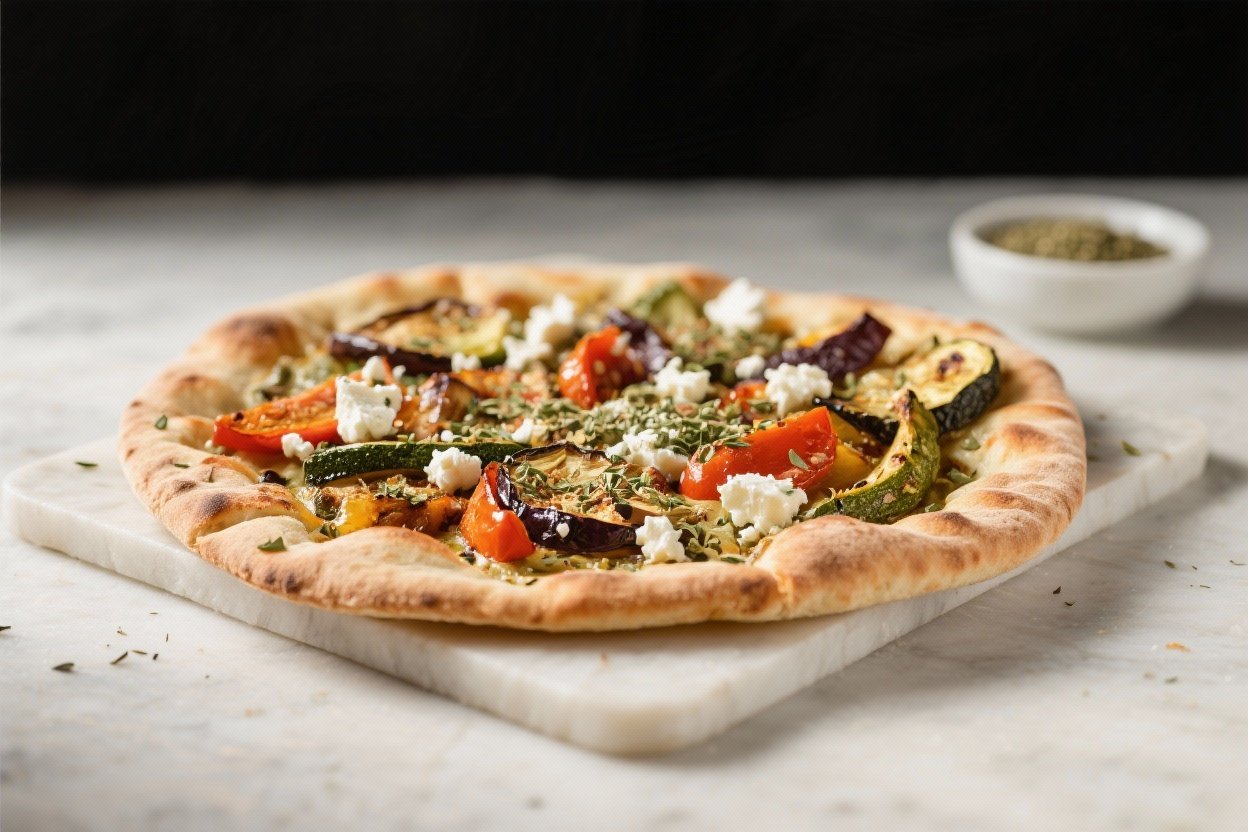
Roasted Vegetable & Feta Flatbread With Za’atar – A Bright, Flavor-Packed Weeknight Meal
Roasted Vegetable & Feta Flatbread with Za’atar is the kind of meal that feels special but doesn’t ask for much. It’s colorful, light yet satisfying, and easy to assemble after a busy day. Warm flatbread carries caramelized vegetables, creamy feta, and a lemony-herby za’atar sprinkle that makes everything pop.
Add a drizzle of olive oil and a squeeze of lemon, and you’ve got a lively, crowd-pleasing plate. It’s just as good for lunch as it is for a casual dinner with friends.

Roasted Vegetable & Feta Flatbread With Za’atar - A Bright, Flavor-Packed Weeknight Meal
Ingredients
- Flatbreads or naan: 2 large or 4 small, plain or whole wheat.
- Assorted vegetables: 1 small red onion, 1 red bell pepper, 1 zucchini, 1 small eggplant (or swap with mushrooms), and a handful of cherry tomatoes.
- Olive oil: For roasting and finishing.
- Garlic: 2 cloves, minced.
- Za’atar: 1–2 tablespoons, plus extra for finishing.
- Feta cheese: 3–4 ounces, crumbled.
- Lemon: 1, for zest and wedges.
- Fresh herbs: Parsley or mint, roughly chopped.
- Salt and pepper: To taste.
- Optional boosts: A spoonful of hummus, a drizzle of tahini, red pepper flakes, or pomegranate seeds.
Instructions
- Preheat the oven. Set to 425°F (220°C).Line a large baking sheet with parchment for easy cleanup.
- Prep the vegetables. Slice the red onion into thin wedges, cut the pepper into strips, halve the cherry tomatoes, and slice the zucchini. For eggplant, cut into half-moons. Aim for similar thickness so everything roasts evenly.
- Toss with oil and seasoning. On the baking sheet, combine vegetables with 2–3 tablespoons olive oil, minced garlic, 1 tablespoon za’atar, salt, and pepper.Spread into a single layer.
- Roast until caramelized. Bake for 20–25 minutes, stirring halfway. You want golden edges and tender centers. Tomatoes should slump and release juice; that’s flavor.
- Warm the flatbreads. In the last 5 minutes, slide flatbreads onto the oven rack or a separate tray to warm and lightly crisp.
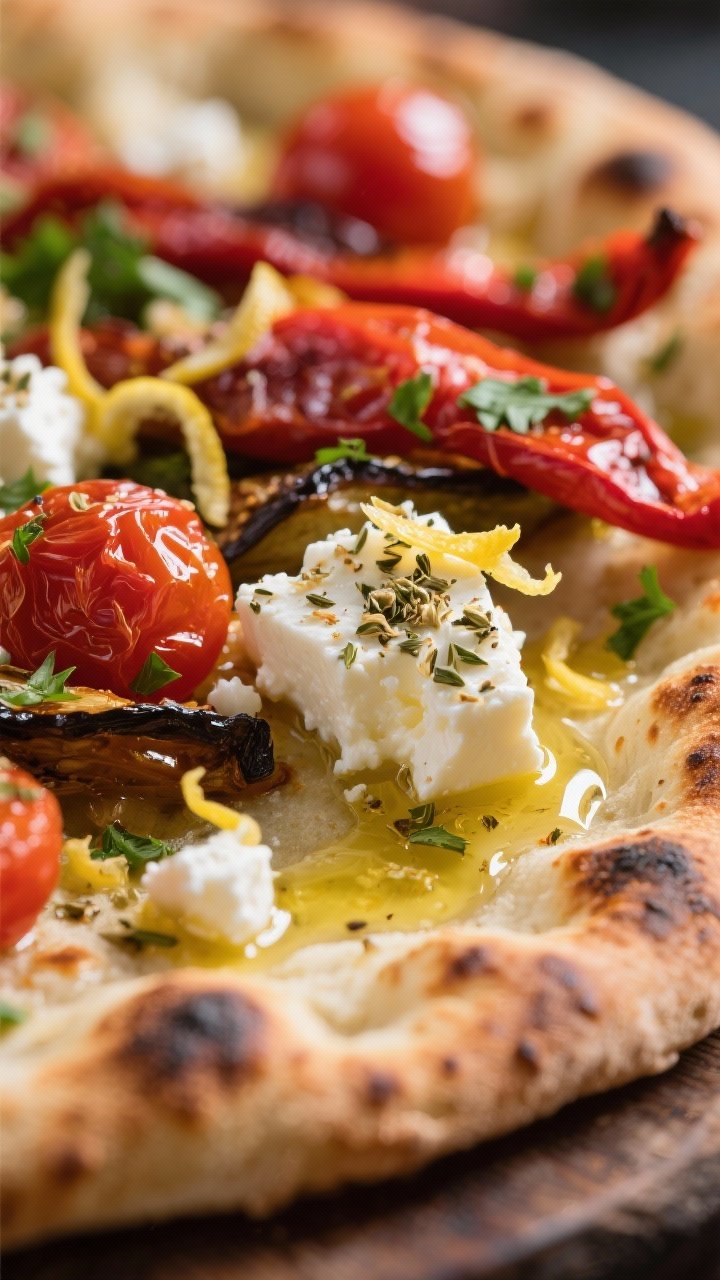
- Assemble. Place warm flatbreads on a board.Scatter roasted vegetables on top, then crumble feta generously. Add a small pinch of za’atar over the feta for aroma.
- Finish with brightness. Zest the lemon over the flatbreads, then add a light squeeze of juice. Drizzle with a little olive oil.Sprinkle herbs and, if you like, red pepper flakes or pomegranate seeds for color and tang.
- Serve immediately. Cut into wedges and enjoy while warm.
Why This Recipe Works
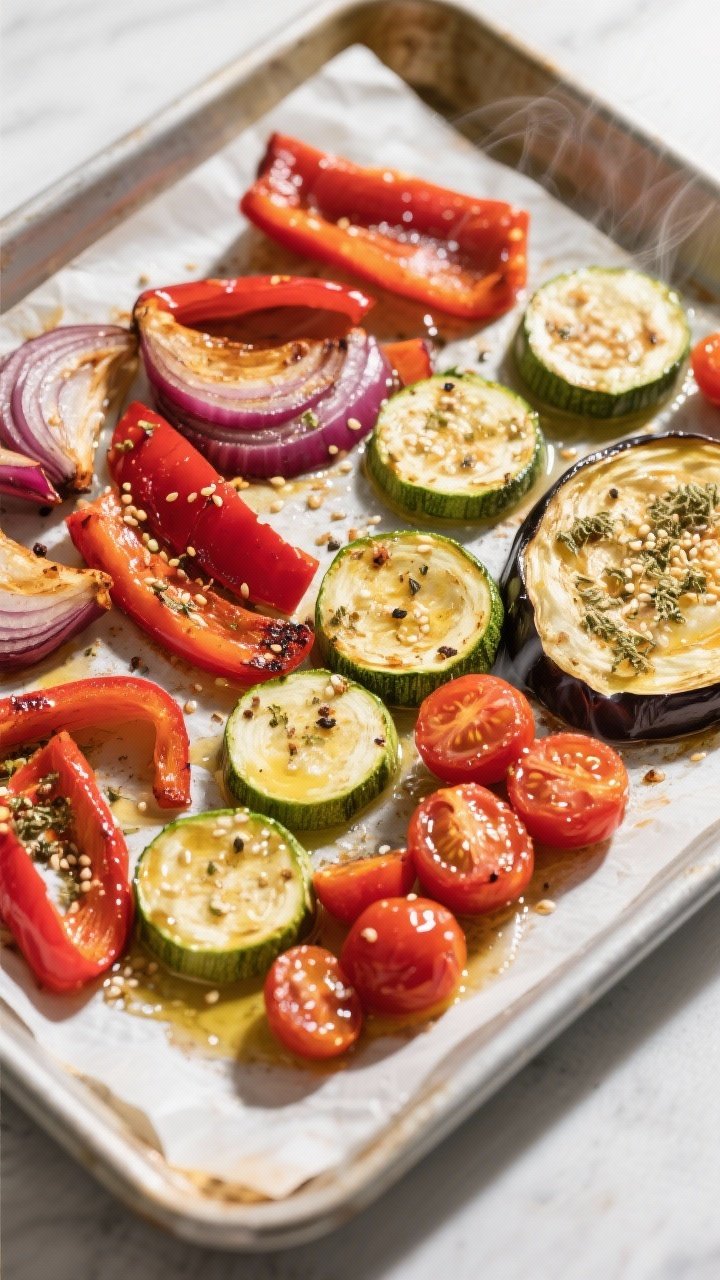
This recipe succeeds by leaning on a few smart moves. Roasting the vegetables draws out their sweetness and concentrates flavor, which pairs beautifully with the salty, tangy bite of feta.
The za’atar brings brightness, thanks to its mix of thyme or oregano, sesame, and sumac, which adds a subtle citrus note. Using a good-quality flatbread keeps everything sturdy but tender, so each bite has great texture. It’s the balance—sweet veg, creamy cheese, savory herbs—that makes it so satisfying.
What You’ll Need
- Flatbreads or naan: 2 large or 4 small, plain or whole wheat.
- Assorted vegetables: 1 small red onion, 1 red bell pepper, 1 zucchini, 1 small eggplant (or swap with mushrooms), and a handful of cherry tomatoes.
- Olive oil: For roasting and finishing.
- Garlic: 2 cloves, minced.
- Za’atar: 1–2 tablespoons, plus extra for finishing.
- Feta cheese: 3–4 ounces, crumbled.
- Lemon: 1, for zest and wedges.
- Fresh herbs: Parsley or mint, roughly chopped.
- Salt and pepper: To taste.
- Optional boosts: A spoonful of hummus, a drizzle of tahini, red pepper flakes, or pomegranate seeds.
Step-by-Step Instructions
- Preheat the oven. Set to 425°F (220°C).
Line a large baking sheet with parchment for easy cleanup.
- Prep the vegetables. Slice the red onion into thin wedges, cut the pepper into strips, halve the cherry tomatoes, and slice the zucchini. For eggplant, cut into half-moons. Aim for similar thickness so everything roasts evenly.
- Toss with oil and seasoning. On the baking sheet, combine vegetables with 2–3 tablespoons olive oil, minced garlic, 1 tablespoon za’atar, salt, and pepper.
Spread into a single layer.
- Roast until caramelized. Bake for 20–25 minutes, stirring halfway. You want golden edges and tender centers. Tomatoes should slump and release juice; that’s flavor.
- Warm the flatbreads. In the last 5 minutes, slide flatbreads onto the oven rack or a separate tray to warm and lightly crisp.
- Assemble. Place warm flatbreads on a board.
Scatter roasted vegetables on top, then crumble feta generously. Add a small pinch of za’atar over the feta for aroma.
- Finish with brightness. Zest the lemon over the flatbreads, then add a light squeeze of juice. Drizzle with a little olive oil.
Sprinkle herbs and, if you like, red pepper flakes or pomegranate seeds for color and tang.
- Serve immediately. Cut into wedges and enjoy while warm.
Keeping It Fresh
Leftovers can still be great with a little care. Store the roasted vegetables and feta separately from the flatbread to prevent sogginess. Keep them in airtight containers in the fridge for up to 3 days.
When you’re ready to eat, reheat the vegetables in a hot skillet or oven to revive their edges, then warm the flatbread and assemble. If you want to pack lunch, layer a thin swipe of hummus on the flatbread first, which creates a barrier against moisture.

Why This Is Good for You
This flatbread delivers a lot of nutrition without feeling heavy. The vegetables bring fiber, antioxidants, and a range of vitamins. Za’atar adds herbs and sesame seeds, which offer healthy fats and a nutty flavor. Feta, used in moderation, brings protein and a satisfying richness, so you don’t need much.
Choose a whole-grain flatbread to add more fiber and keep you fuller longer. It’s a balanced, colorful meal that leans into plant-forward eating while still feeling indulgent.
Pitfalls to Watch Out For
- Overcrowding the pan: If the vegetables are piled on top of each other, they’ll steam instead of roast. Use two pans if needed.
- Undersalting: Vegetables need a confident pinch of salt to taste their best.
Taste and adjust after roasting.
- Skipping the lemon: That hit of acidity ties everything together and brightens the feta. Don’t skip it.
- Too much oil: A heavy hand can make the flatbread greasy. Coat the vegetables lightly and finish with just a drizzle.
- Soggy flatbread: Assemble right before serving, and keep warm flatbread crisp by not overloading it with liquid from the pan.
Alternatives
- Gluten-free option: Use a gluten-free flatbread or chickpea socca as the base.
- Vegan option: Skip feta and use a plant-based feta or dollops of herbed cashew cream or tahini drizzle.
- Protein add-ins: Add chickpeas roasted with the vegetables, shredded rotisserie chicken, or grilled halloumi.
- Different veg: Try mushrooms, broccoli florets, butternut squash cubes, or asparagus tips, adjusting roasting time as needed.
- Spice swaps: No za’atar?
Use a mix of dried oregano, sesame seeds, and a pinch of sumac or lemon zest. Ras el hanout or berbere also bring a fun twist.
- Sauce ideas: Hummus base for creaminess, garlic yogurt for tang, or a light tahini-lemon sauce for extra richness.
FAQ
What is za’atar, exactly?
Za’atar is a Middle Eastern spice blend typically made from thyme or oregano, sesame seeds, sumac, and salt. It’s fragrant, slightly nutty, and citrusy from the sumac.
It instantly brightens roasted vegetables and flatbreads.
Can I use store-bought pizza dough instead of flatbread?
Yes. Roll it thin, pre-bake for 5–7 minutes at 475°F (245°C), then add the roasted vegetables and feta and bake again for a few minutes to crisp. Finish with za’atar, lemon, and herbs after it comes out.
How do I keep eggplant from getting soggy?
Cut eggplant into even pieces and don’t drown it in oil.
Toss lightly and roast in a hot oven with space around the pieces. If you have time, salt the eggplant for 15 minutes, pat dry, then roast; this helps it stay meaty.
Is there a milder cheese I can use instead of feta?
Try ricotta salata, queso fresco, or a light sprinkle of goat cheese. If you want creaminess without tang, small dollops of ricotta work well, but add extra lemon and za’atar to keep flavors bright.
Can I make this ahead for a party?
Yes.
Roast the vegetables earlier in the day, then rewarm before guests arrive. Set out warmed flatbreads and toppings so people can assemble their own. Finish with fresh lemon, herbs, and a final dusting of za’atar right before serving.
What if I can’t find za’atar?
Mix 2 parts dried oregano with 1 part sesame seeds and 1 part ground sumac.
If you don’t have sumac, add fine lemon zest and a pinch of salt. It’s not exact, but it hits the same notes.
In Conclusion
Roasted Vegetable & Feta Flatbread with Za’atar is simple, colorful, and full of lively flavor. It’s flexible with whatever vegetables you have and quick enough for a weeknight.
The roasted veg, salty feta, and herby za’atar make each bite craveable, while lemon and herbs keep it bright. Serve it hot, cut into wedges, and enjoy a meal that feels fresh and effortless.