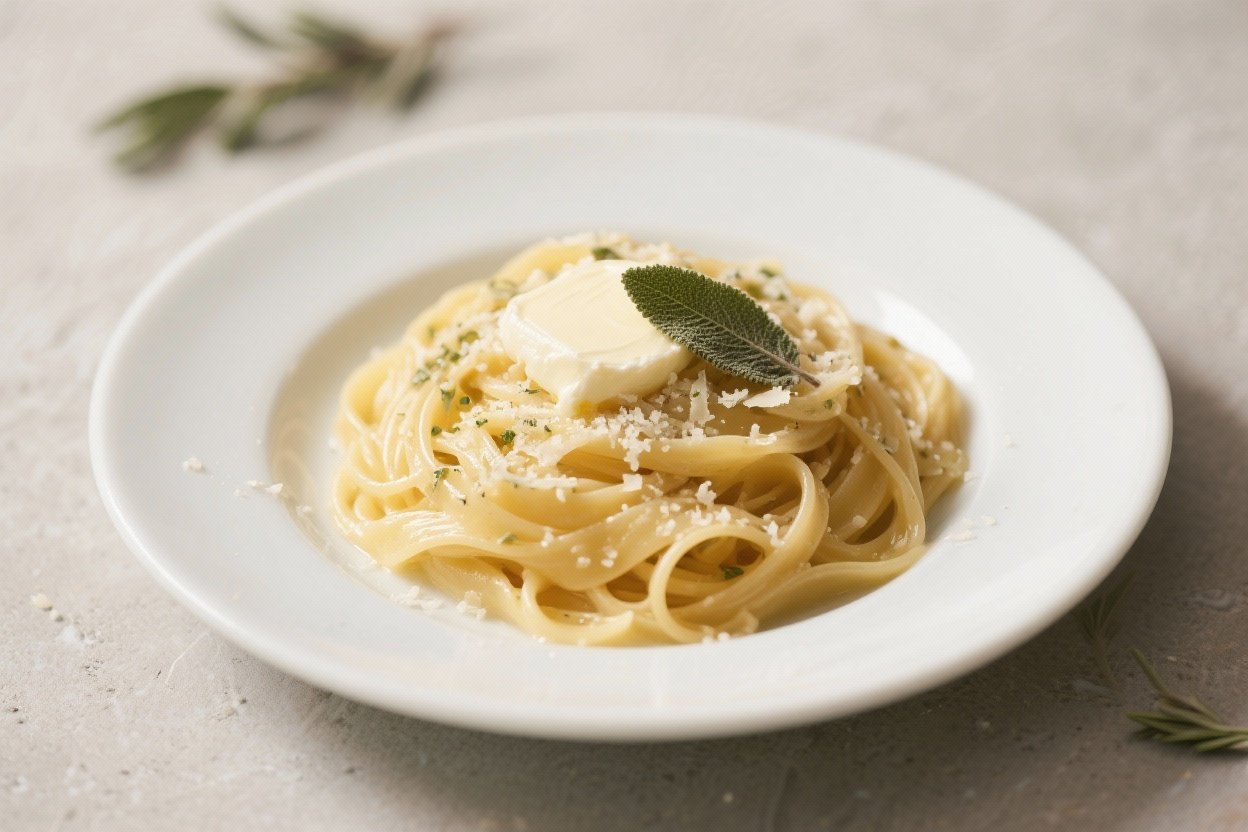
Classic Pasta with Butter, Parmesan & Sage – Simple, Comforting, and Fast
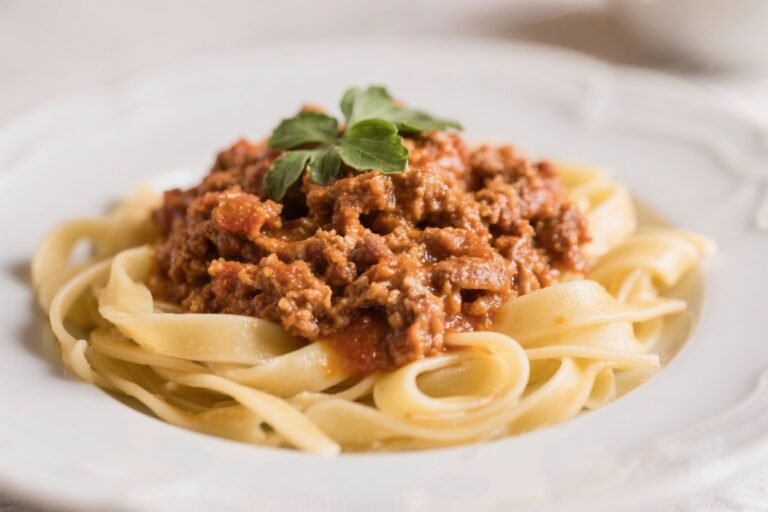
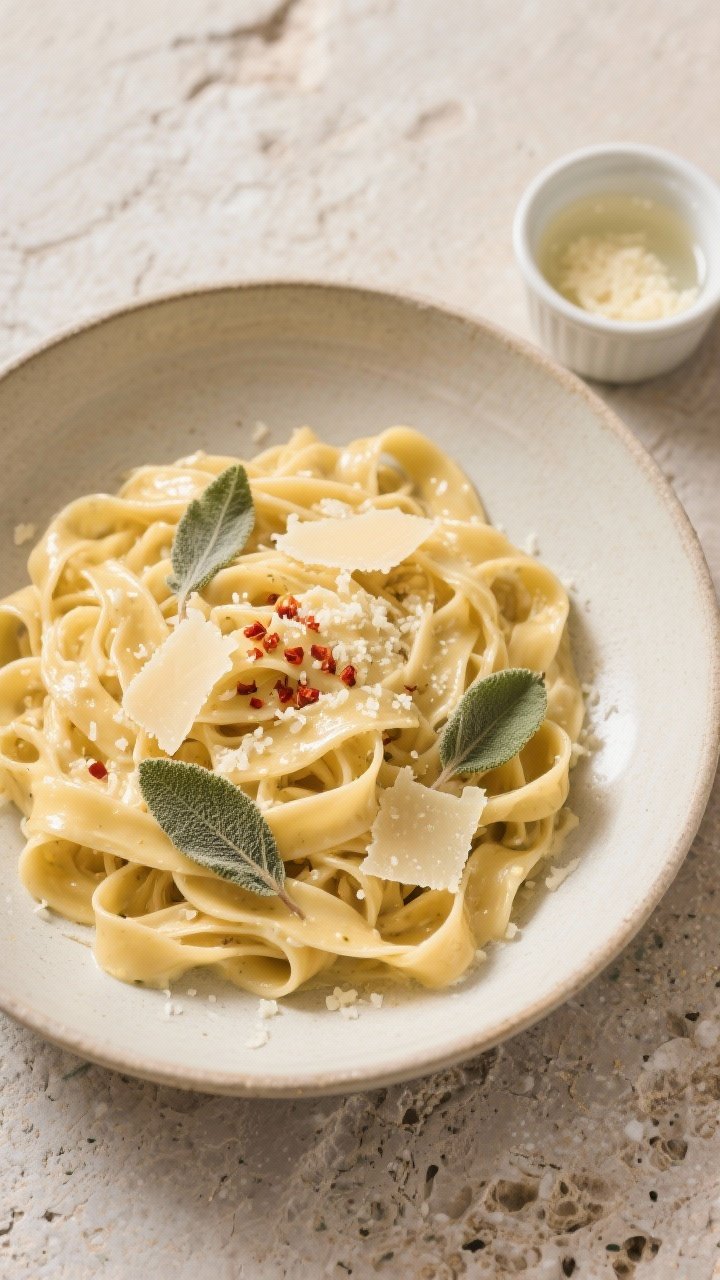
This is the kind of dinner you make when you want something cozy without a lot of fuss. A few good ingredients, a little attention, and you’ve got a bowl that tastes like pure comfort. Butter melts into silky sauce, Parmesan brings salty richness, and sage adds a warm, earthy aroma.
It’s quick enough for a weeknight, but it feels special. If you love Italian simplicity, this is the dish that proves less really can be more.
Classic Pasta with Butter, Parmesan & Sage - Simple, Comforting, and Fast
Ingredients
- 8 ounces (225 g) pasta – spaghetti, fettuccine, or short shapes like orecchiette.
- 4 tablespoons (55 g) unsalted butter – use good butter if you can.
- 1 cup (60 g) freshly grated Parmesan – finely grated so it melts smoothly.
- 8–10 fresh sage leaves – whole or thinly sliced.
- Salt – for the pasta water and seasoning.
- Freshly ground black pepper – to finish.
- Optional: a squeeze of lemon, a pinch of red pepper flakes, extra-virgin olive oil for drizzling.
Instructions
- Boil the pasta water. Fill a large pot with water and bring it to a rolling boil.Salt generously—your water should taste pleasantly salty. This is your first layer of flavor.
- Prep the sage and cheese. While the water heats, grate the Parmesan finely and set it aside. Rinse and pat dry the sage.If your leaves are large, slice them into thin ribbons.
- Cook the pasta. Add the pasta and cook until just shy of al dente. Check the package for timing, then taste a minute early. You want a firm bite because it will finish in the pan.
- Reserve pasta water. Before draining, dip a heatproof cup into the pot and save about 1 1/2 cups of starchy water.This is the secret to a silky sauce.
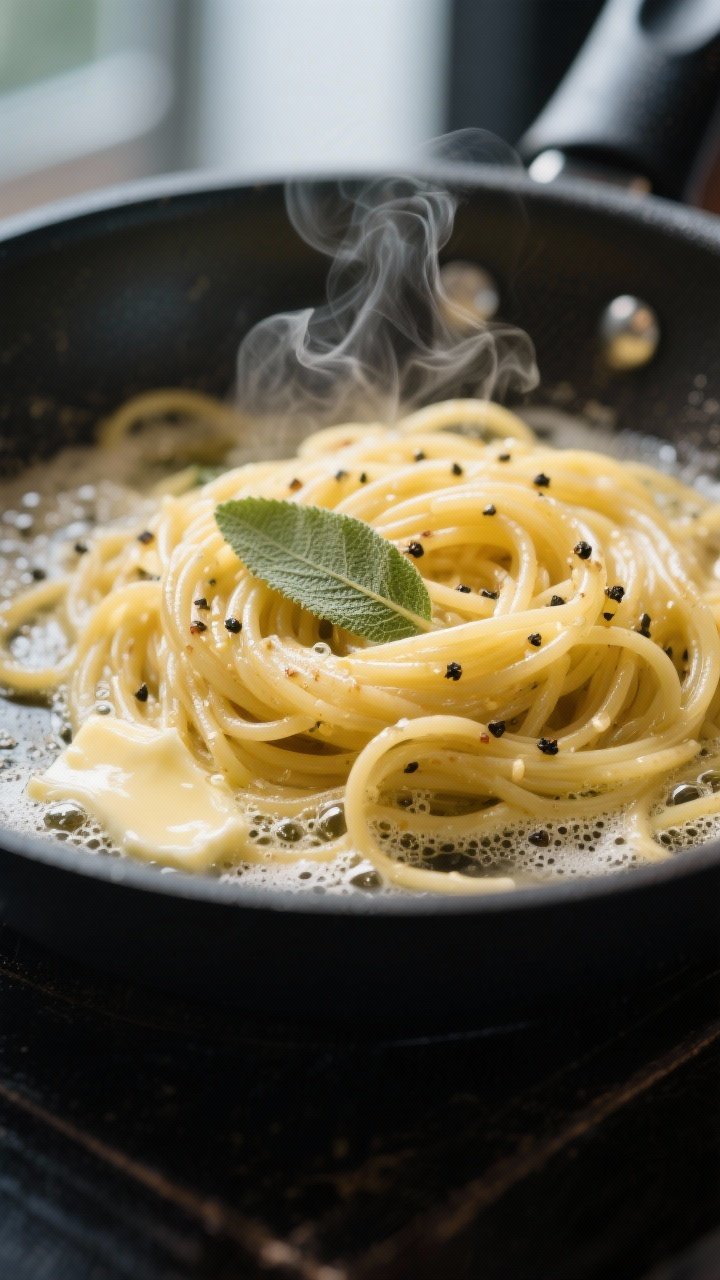
- Sizzle the sage in butter. In a large skillet, melt the butter over medium heat. Add the sage and cook 1–2 minutes until fragrant. You want the butter foamy and the sage glossy, not burnt.
- Build the sauce base. Add a generous splash of reserved pasta water to the skillet and swirl.The butter will emulsify slightly. Keep the heat at medium-low to avoid breaking the sauce.
- Add the pasta. Transfer the drained pasta directly to the skillet. Toss to coat, adding more pasta water as needed.The sauce should cling lightly and look glossy.
- Incorporate the Parmesan off heat. Take the pan off the heat. Sprinkle in the Parmesan in small handfuls, tossing constantly. Add a bit more pasta water if it looks tight.The goal is a smooth, creamy coating without clumps.
- Season and finish. Taste and add salt if needed, then grind in black pepper. If you like, add a squeeze of lemon for brightness or a pinch of red pepper flakes for heat. A drizzle of olive oil can add a fruity finish.
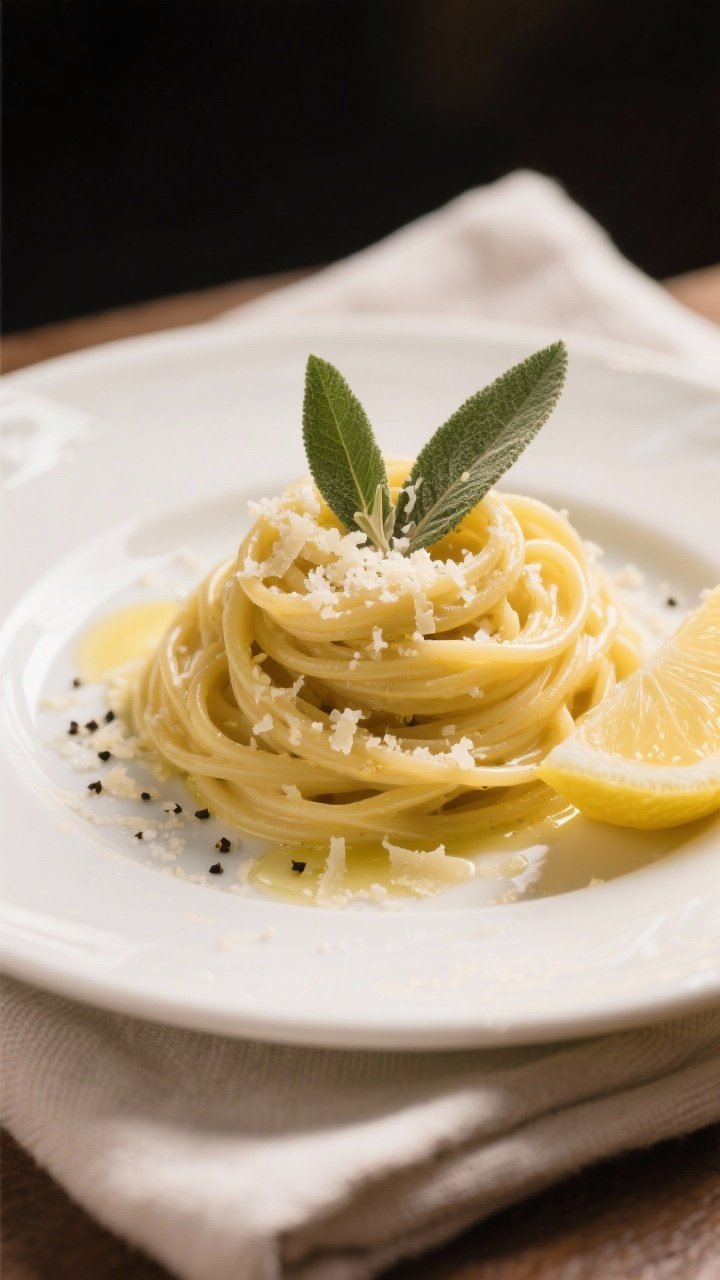
- Serve immediately. Plate while it’s hot and saucy.Garnish with a few extra sage leaves and a light dusting of Parmesan.
What Makes This Special
There’s beauty in a recipe that relies on quality, not complexity. Pasta with butter, Parmesan, and sage tastes luxurious, yet it’s made from pantry staples.
The sauce is built from pasta water and melted butter—no cream needed—so it’s light, glossy, and deeply flavorful. Fresh sage lends a gentle herbal note that balances the richness of the cheese. And best of all, you can have it on the table in under 20 minutes.
What You’ll Need
- 8 ounces (225 g) pasta – spaghetti, fettuccine, or short shapes like orecchiette.
- 4 tablespoons (55 g) unsalted butter – use good butter if you can.
- 1 cup (60 g) freshly grated Parmesan – finely grated so it melts smoothly.
- 8–10 fresh sage leaves – whole or thinly sliced.
- Salt – for the pasta water and seasoning.
- Freshly ground black pepper – to finish.
- Optional: a squeeze of lemon, a pinch of red pepper flakes, extra-virgin olive oil for drizzling.
Step-by-Step Instructions
- Boil the pasta water. Fill a large pot with water and bring it to a rolling boil.
Salt generously—your water should taste pleasantly salty. This is your first layer of flavor.
- Prep the sage and cheese. While the water heats, grate the Parmesan finely and set it aside. Rinse and pat dry the sage.
If your leaves are large, slice them into thin ribbons.
- Cook the pasta. Add the pasta and cook until just shy of al dente. Check the package for timing, then taste a minute early. You want a firm bite because it will finish in the pan.
- Reserve pasta water. Before draining, dip a heatproof cup into the pot and save about 1 1/2 cups of starchy water.
This is the secret to a silky sauce.
- Sizzle the sage in butter. In a large skillet, melt the butter over medium heat. Add the sage and cook 1–2 minutes until fragrant. You want the butter foamy and the sage glossy, not burnt.
- Build the sauce base. Add a generous splash of reserved pasta water to the skillet and swirl.
The butter will emulsify slightly. Keep the heat at medium-low to avoid breaking the sauce.
- Add the pasta. Transfer the drained pasta directly to the skillet. Toss to coat, adding more pasta water as needed.
The sauce should cling lightly and look glossy.
- Incorporate the Parmesan off heat. Take the pan off the heat. Sprinkle in the Parmesan in small handfuls, tossing constantly. Add a bit more pasta water if it looks tight.
The goal is a smooth, creamy coating without clumps.
- Season and finish. Taste and add salt if needed, then grind in black pepper. If you like, add a squeeze of lemon for brightness or a pinch of red pepper flakes for heat. A drizzle of olive oil can add a fruity finish.
- Serve immediately. Plate while it’s hot and saucy.
Garnish with a few extra sage leaves and a light dusting of Parmesan.
Storage Instructions
- Refrigerate: Store leftovers in an airtight container for up to 3 days. The sauce will thicken as it chills.
- Reheat: Warm gently in a skillet with a splash of water or broth to loosen the sauce. Stir over low heat until creamy again.
Avoid microwaving on high, which can make the cheese seize.
- Freezing: Not ideal. The texture of the cheese sauce becomes grainy after thawing.
Why This is Good for You
This dish is a smart example of balance. Parmesan brings protein and calcium along with big flavor, so you don’t need a lot. Sage adds antioxidants and a soothing aroma that can make a simple meal feel restorative. Pasta provides steady energy, especially if you choose a whole-wheat or high-fiber variety. And because the ingredient list is short, you’re more likely to use high-quality, minimally processed foods.
What Not to Do
- Don’t overcook the pasta. Mushy pasta won’t hold sauce and loses its satisfying bite.
- Don’t add cheese over high heat. Parmesan can clump or turn greasy if the pan is too hot.
Take it off the heat first.
- Don’t skip the pasta water. It’s the emulsifier that makes the butter and cheese cling smoothly.
- Don’t burn the sage. Bitter sage will overpower the dish. Aim for fragrant and lightly crisp.
- Don’t use pre-shredded cheese. It often contains anti-caking agents that prevent proper melting. Freshly grated is key.
Alternatives
- Brown Butter Variation: Cook the butter a few minutes longer until it turns golden and nutty before adding sage.
This deepens the flavor.
- Lemon and Pepper: Add lemon zest and extra black pepper for a lighter, brighter profile.
- Garlic Sage Butter: Gently toast a smashed garlic clove in the butter before adding the sage, then remove it before finishing the sauce.
- Vegetable Boost: Stir in blanched peas, sautéed mushrooms, or wilted spinach for color and texture.
- Cheese Swaps: Try Pecorino Romano for a sharper, saltier edge, or a mix of Parmesan and Grana Padano for a rounder flavor.
- Gluten-Free: Use a quality gluten-free pasta and handle gently. Reserve extra pasta water; gluten-free pasta can need more liquid for emulsion.
- Dairy-Free: Use a vegan butter that browns well and a finely grated dairy-free Parmesan-style cheese. Add a teaspoon of nutritional yeast for depth.
- Protein Add-Ins: Top with a soft-poached egg, crispy prosciutto, or flaked tuna for a more filling bowl.
FAQ
Can I use dried sage?
Fresh sage is best here because it perfumes the butter and turns delicately crisp.
If you only have dried, use a small pinch and warm it gently in the butter to bloom the flavor. Avoid overdoing it—dried sage is potent.
What’s the best pasta shape for this sauce?
Long noodles like spaghetti, linguine, or fettuccine are classic and give you silky strands coated in sauce. Short shapes work too; orecchiette or shells catch little pools of buttery cheese.
Use what you love and cook it al dente.
How do I stop the cheese from clumping?
Turn off the heat before adding Parmesan, and add it gradually while tossing. Make sure there’s enough starchy pasta water in the pan. Finely grated cheese melts faster and more evenly.
Is it okay to brown the butter?
Yes, and it’s delicious.
Let the butter foam and turn light amber, then add the sage. Watch closely—brown can turn to burnt in seconds. When it smells nutty, you’re there.
What if the sauce looks greasy?
Add a splash of hot pasta water and toss vigorously.
The starch helps the fat and cheese come together into a glossy emulsion. If needed, lower the heat and keep tossing until smooth.
Can I make this ahead?
This dish is best right after cooking. If you must prep, grate the cheese and wash the sage in advance.
Cook the pasta and finish the sauce just before serving for the best texture.
How salty should I make the pasta water?
It should taste like the sea. This seasons the pasta from the inside and reduces how much salt you need later. Start with about 1 1/2 tablespoons of kosher salt per 4 quarts of water and adjust to taste.
Is Parmesan vegetarian?
Traditional Parmigiano-Reggiano uses animal rennet.
If you’re vegetarian, look for a Parmesan-style cheese labeled with microbial or vegetarian rennet. Many excellent options melt just as well.
Wrapping Up
Classic Pasta with Butter, Parmesan, and Sage is quick, comforting, and quietly elegant. With a handful of ingredients and a few small techniques—salty water, starchy pasta water, gentle heat—you get a restaurant-level bowl at home.
Keep it simple on a busy night, or dress it up with add-ins when you want variety. Either way, it’s a recipe worth keeping in your back pocket for when you want something that just works, every time.